



Wondering what instruments do you need to start a school rock band? The practical core lineup is vocals, an electric guitar, a bass guitar, and drums, with a digital piano or keyboard as a useful addition for chords, harmony, and extra texture. Before anyone shops, check student interest, the school's rehearsal space and equipment, safe volume expectations, and whether each player can practise consistently between rehearsals - the lineup works best when it fits the people and the room.
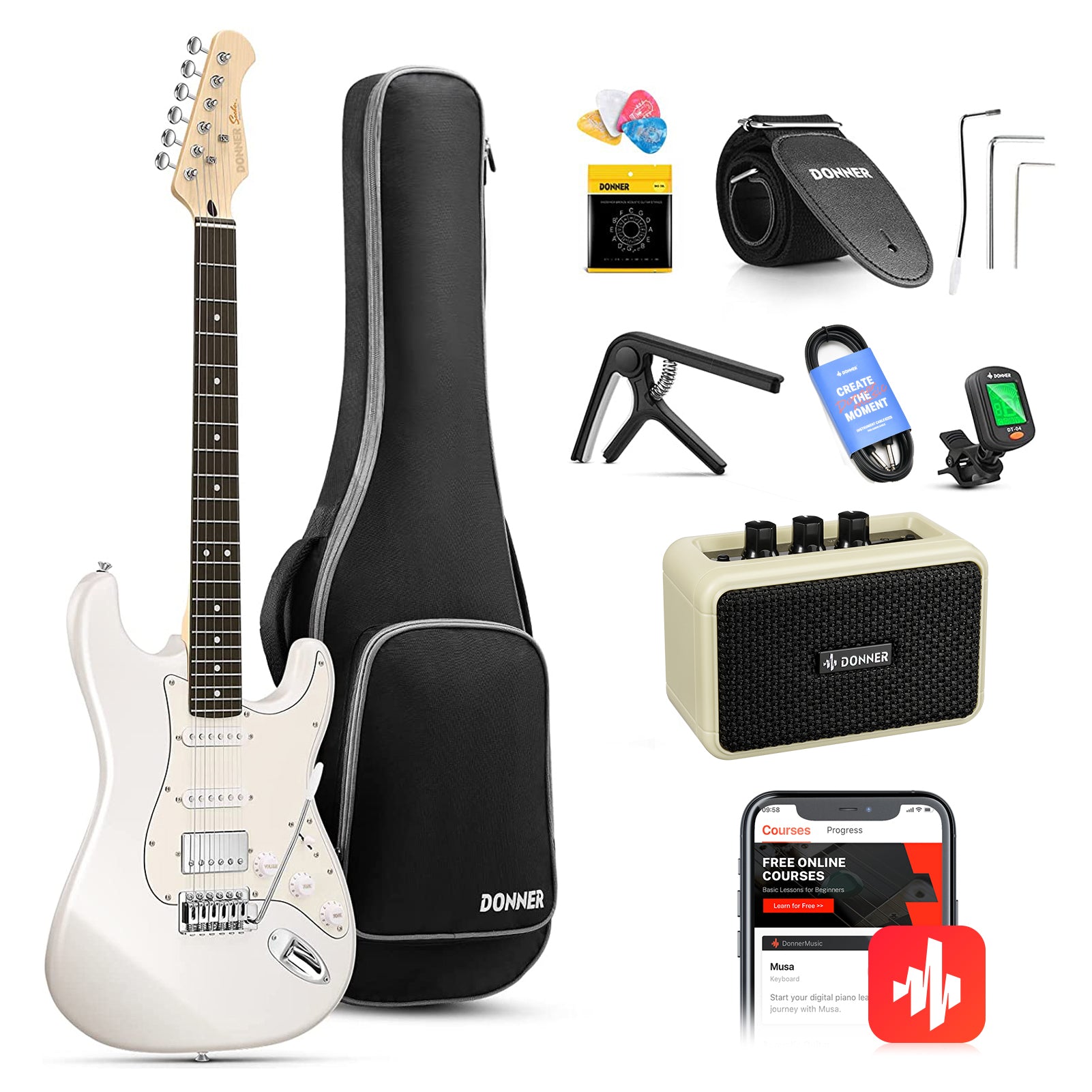
The electric guitar can carry riffs, chords, rhythm patterns, and lead lines, which makes it one of the most recognizable voices in a school rock band. A student guitarist also needs a route to sound: an amp or a quieter practice setup, plus a cable, tuner, strap, and basic picks. The right first guitar is one the player can hold comfortably and use consistently, so the options below are matched to different practice situations rather than ranked.
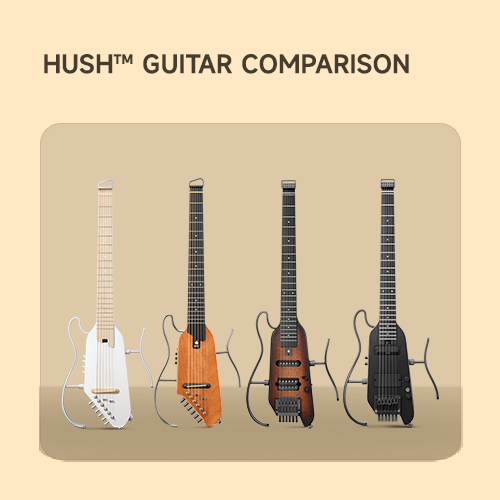
Donner HUSH X LIVE Travel Electric Guitar with Speaker Best for daytime jam flexibility
Features
- Detachable speaker module for daytime practice and jams
- Five amp models plus delay, reverb, modulation, and noise-gate effects
- Bluetooth backing-track playback from a phone or tablet
- Headless travel body with H-S Alnico V pickups, gig bag, and essentials
The Donner HUSH X LIVE Travel Electric Guitar with Speaker suits a student who wants a compact rock-band instrument with an onboard detachable speaker for daytime practice and jams. Its five amp models and effects make it easy to explore lead and rhythm tones without a separate amp, while Bluetooth backing-track playback lets players rehearse along with songs from a phone or tablet.
Donner HUSH X PRO Electric Travel Guitar Best for built-in tone variety

Features
- Built-in amp modeling, effects, and guitar-model simulation
- Compact headless design with quick-release frames and a 25.5-inch scale
- Headphone and line outputs plus USB-C and OTG connectivity
- Deluxe travel gig bag, earphones, strap, picks, and cables included
For a student who wants built-in tone variety in a compact electric guitar, the Donner HUSH X PRO Electric Travel Guitar packs amp modeling, effects, and guitar-model simulation into a headless body. Flexible headphone and line outputs plus USB-C and OTG connections make it simple to practise quietly or plug into a broader school setup.
Donner HUSH I PRO Acoustic-Electric Travel Guitar Best for acoustic-electric flexibility

Features
- Acoustic-electric character with 18 effects and 8 body-shape simulations
- Headphone output and Bluetooth backing-track input for quiet practice
- Removable metal body frames and a compact 2.2 kg travel body
- Rechargeable USB-C battery with gig bag and essentials included
A student who wants acoustic-electric character with quiet practice options can turn to the Donner HUSH I PRO Acoustic-Electric Travel Guitar. Built-in effects and body-shape simulations shape the tone without external pedals, and the rechargeable, compact body travels easily between home and school.
Bass Guitar: The Low-End Foundation
The bass guitar anchors the harmony and the groove, sitting between the drums and the rest of the band. Many students find it one of the easier rock-band roles to fill with consistent practice, because a steady root-note part can support a whole song while the player builds technique. Plan for the same basics as electric guitar - an amp or a quiet-practice route, cable, tuner, and strap - and let the student whose ear gravitates to rhythm and low end take the part.
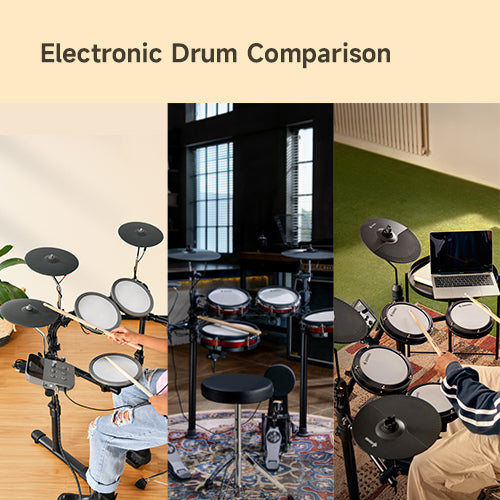
The drums set the tempo and the energy, so the drummer holds the band together. Electronic kits with mesh pads make this role more practical for schools and homes: a student can play along with headphones at a volume that suits the room and rehearse more often without needing a full acoustic kit and dedicated drum space. The three kits below suit different rooms, budgets, and playing styles.
Donner DED-80 Budget Electronic Drum Kit Best for budget-friendly first kit

Features
- Compact 4-drum 3-cymbal kit with double-layer mesh pads
- 180 sounds and 15 preset kits for a range of styles
- Headphones and drum throne included for a complete first setup
- Smaller footprint that suits bedrooms and classrooms
For a student or school program on a budget, the Donner DED-80 Budget Electronic Drum Kit keeps the first kit simple: compact mesh pads, a smaller footprint, and headphones and a throne included for home practice and rehearsals.
Donner DED-200 MAX Electronic Drum Kit Best for larger mesh pads

Features
- Upgraded 10-inch snare and 8-inch toms for a more realistic feel
- 450 sounds and 31 preset kits across many band styles
- Drum throne and headphones included for immediate practice
- Larger mesh pads that grow with a developing player
When a school band grows and players want a more realistic feel, the Donner DED-200 MAX Electronic Drum Kit steps up with a 10-inch snare and 8-inch toms. Its larger mesh pads, wider sound library, and included throne and headphones support longer practice sessions and a wider range of band styles.
Donner DED-200X Electronic Kit Best for expressive electronic play

Features
- 8-piece, 5-drum 4-cymbal configuration with an extra crash cymbal
- Mesh snare pad for more expressive playing
- 450 sounds with USB-MIDI connectivity
- Drum throne and headphones included for a complete setup
For expressive electronic playing, the Donner DED-200X Electronic Kit adds an extra crash cymbal and a mesh snare pad to an 8-piece, 5-drum 4-cymbal configuration. The wider setup gives a developing drummer more to work with as songs grow, and the included throne and headphones keep practice ready to go.
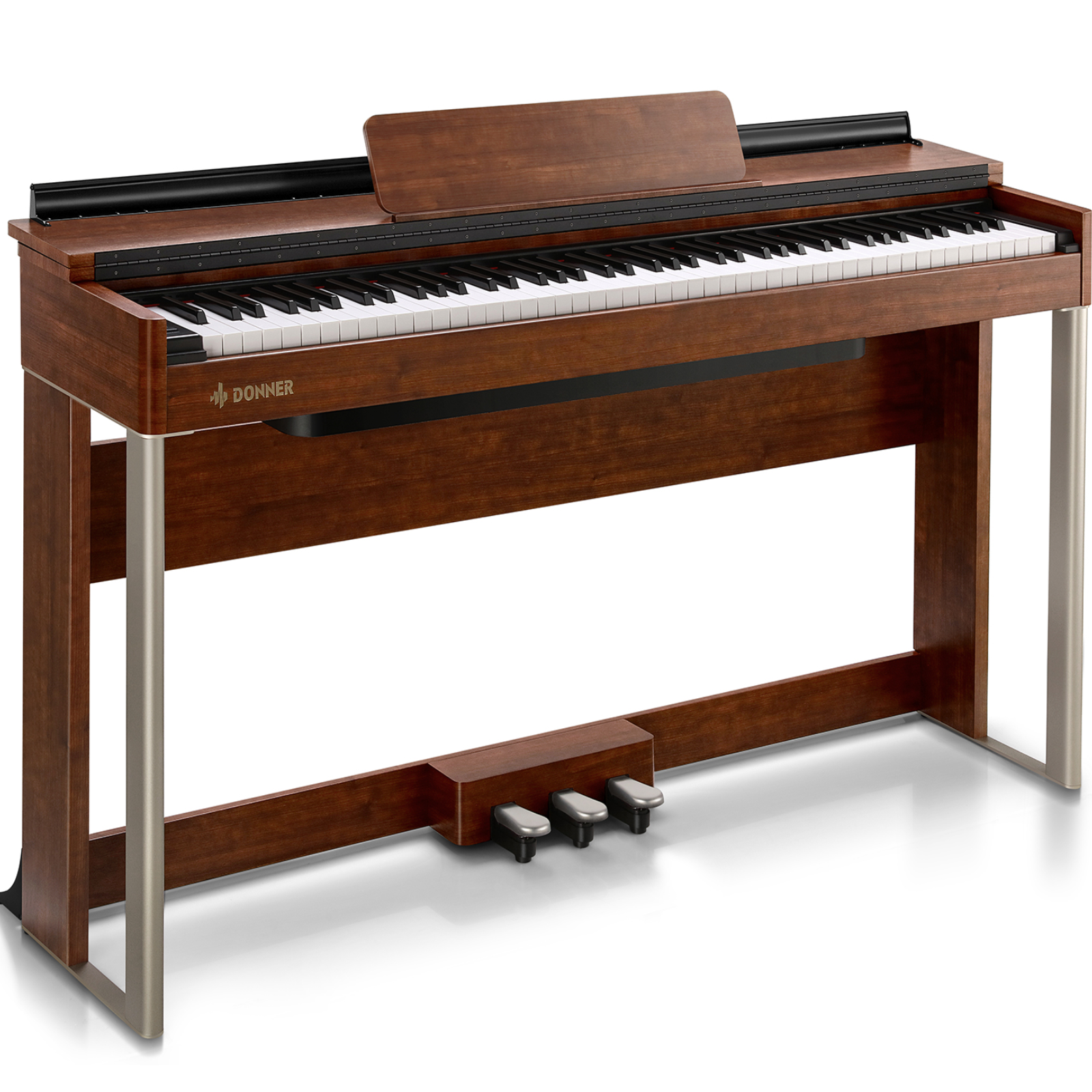
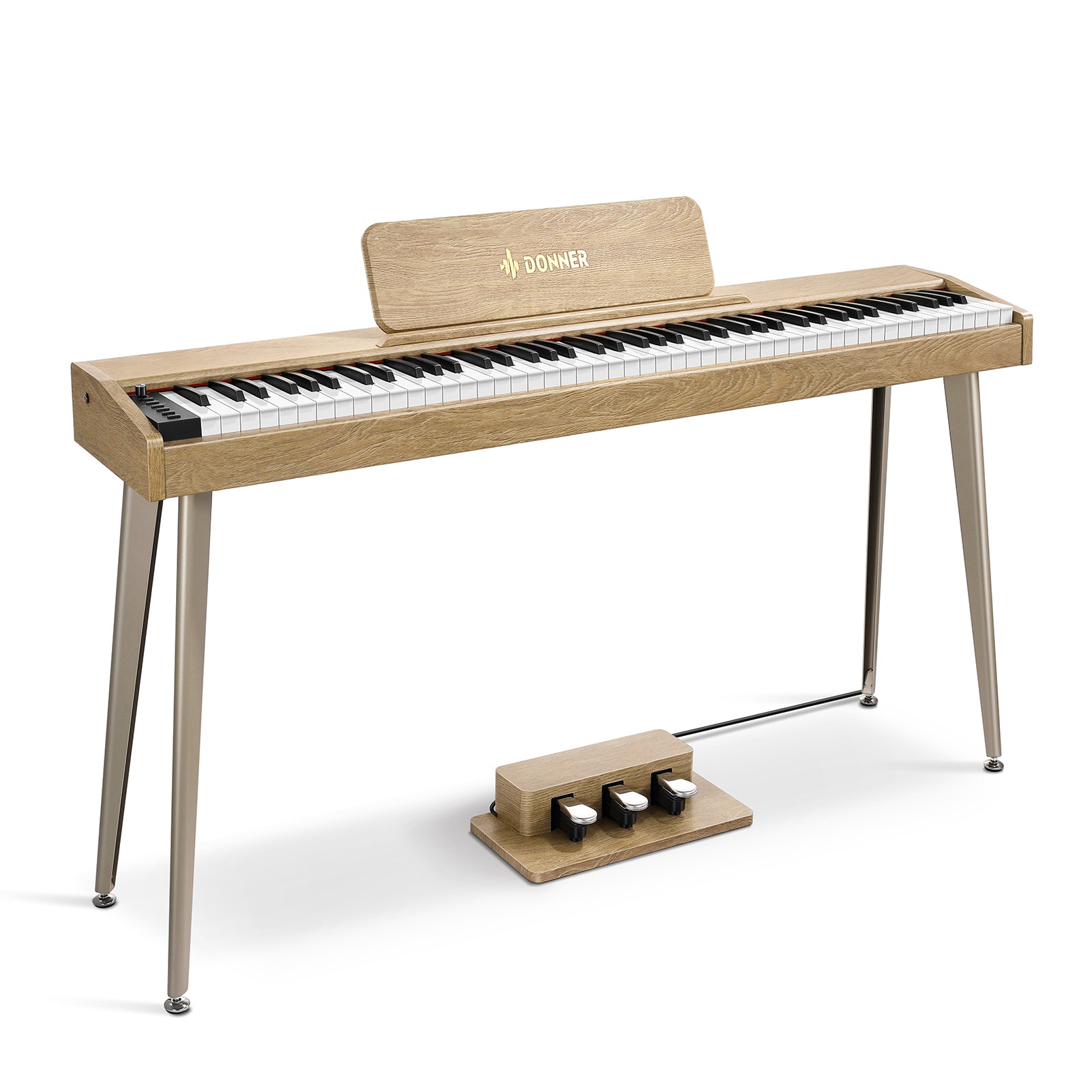
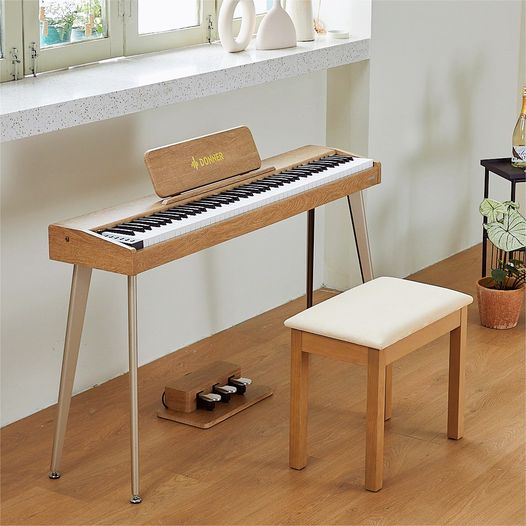
A digital piano or keyboard rounds out a school rock band without being part of the core lineup. It handles chord pads, sustained harmony, songwriting, and arrangement, which gives songs texture when the guitar and bass carry the main parts. For a band that starts without keys, it is an easy part to add later as students find their roles, and the three digital pianos below fit different home setups and playing styles.
Donner DEP-1S 88 Key Beginner Digital Piano Kit Best for portable beginner setup

Features
- 88 velocity-sensitive semi-weighted keys with 128 sounds
- 30W built-in speakers plus Bluetooth audio and MIDI
- X-stand and sustain pedal included for a ready home setup
- USB-MIDI connectivity for practice apps and songwriting
Students who want a portable, beginner-friendly 88-key keyboard for chords and band practice at home can start with the Donner DEP-1S 88 Key Beginner Digital Piano Kit. The included X-stand and sustain pedal make it ready to play quickly, while Bluetooth and USB-MIDI connections link to practice apps and songwriting tools.
Donner DDP-60 Semi-Weighted Digital Piano Best for accessible 88-key practice

Features
- 88 semi-weighted keys with four touch-sensitivity levels
- 128 sounds, 128-note polyphony, and auto-accompaniment
- 30W built-in speakers and three pedals for sustain, soft, and sostenuto
- Dual headphone jacks, USB MIDI, MIDI 5-pin, and line out
The Donner DDP-60 Semi-Weighted Digital Piano is a practical fit for a student who wants a full 88-key range for chords, songwriting, and beginner-friendly band practice. Touch-sensitive keys, auto-accompaniment, three pedals, and dual headphone connections support both solo practice and sharing a home setup.
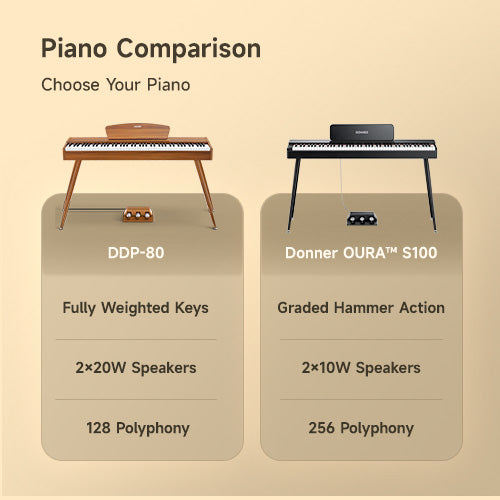
Donner DDP-80 PLUS Digital Piano with Semi-open Cover Best for a weighted piano corner

Features
- 88-key graded hammer-action progressive weighted keyboard
- 128-note polyphony with a French DREAM sound source
- 40W built-in speakers and three pedals including sustain
- Semi-open key cover, USB MIDI, MIDI 5-pin, line out, and headphone connection
A student who wants a settled weighted-piano corner for chord work, songwriting, and school-band rehearsal at home can rely on the Donner DDP-80 PLUS Digital Piano with Semi-open Cover. The graded hammer-action keyboard, 40W speakers, and three pedals provide a piano-like feel, while the semi-open cover keeps the instrument ready between practice sessions.
Vocals and Microphone: The Front-of-Stage Role
A singer completes the band's melody and gives the songs a voice the audience connects with first. To make the part usable in rehearsal, plan on a suitable microphone, cable, and stand, and check whether the school already provides a PA or mixer for vocals. Confirm what the music room owns before buying duplicate gear, and give the singing part to a student who enjoys performing and can practise the songs consistently.
Match Roles to Students and School Resources
Match each part to the student who will play it: interest, physical comfort, and practice access matter more than a perfect lineup on paper. Start with one clear role per player - vocals, electric guitar, bass, drums, or keyboard - and grow from there. Students can add harmony vocals, a second guitar, percussion, or more keyboard parts as the group develops, so the first semester should feel simple rather than perfect.
- Confirm which amps, microphones, PA gear, stands, and cables the school already owns before buying anything.
- Agree on a practice volume and schedule that work in classrooms, shared homes, or wherever the band meets.
- Check that each player can reach their instrument regularly between rehearsals.
- Follow the school's rules on rehearsal rooms, supervision, and noise limits.
- Keep the first songs simple so every role has a clear part and the band can play together quickly.
Start the Semester with Your School Rock Band
Four essentials - vocals, electric guitar, bass, and drums - plus a keyboard when it fits give a school rock band everything it needs to start the year. Check the school's equipment, choose instruments that invite regular practice, and shop Donner's Back to School Sale to bring a new semester to life with music.